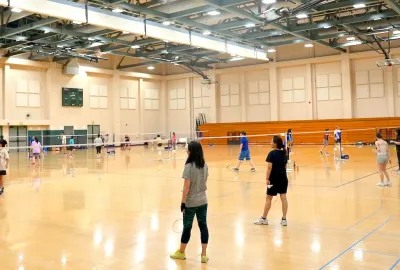
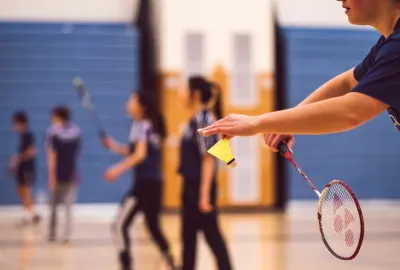
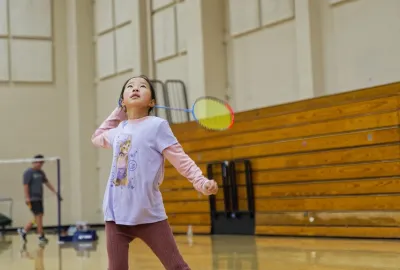
Badminton stands out as a dynamic, accessible sport that delivers multifaceted health advantages for adults, particularly in fostering cardiovascular resilience, neuromuscular efficiency, and psychological equilibrium. Recent peer-reviewed investigations underscore its efficacy in mitigating non-communicable diseases (NCDs) such as diabetes, hypertension, and anxiety, while also bolstering communal well-being through inclusive physical activity.

After years of coaching youth badminton, I've seen it all — parents bursting with enthusiasm on day one, kids quitting three months in because nobody hit the brakes on expectations. This isn't a sales pitch. It's an honest conversation about youth sports, child development, and what we actually want for our kids when we sign them up for yet another activity.
In the sun-soaked landscapes of Southern California, badminton emerges as a timeless pursuit that predates modern trends like pickleball by millennia. Originating in ancient civilizations across Asia and Europe, this elegant yet explosive sport challenges players to volley a feathered shuttlecock over a net, aiming to outmaneuver opponents on the court—solo or in doubles. As an Olympic discipline, it demands precision and agility, yet its accessibility invites participants from novices to seasoned athletes.
立即开启你的羽毛球之旅